
The Technician’s Deep-Dive: Is the Mercedes-Benz M274 a Reliable Masterpiece or a Maintenance Nightmare?
When you walk into a Mercedes-Benz showroom, the conversation is all about design language, digital dashboards, and acceleration figures.
When you walk into my service bay, the conversation changes fast. We talk about heat cycles, oil quality, plastic fatigue, and that unmistakable cold-start rattle that makes every technician pause for a second longer than usual.
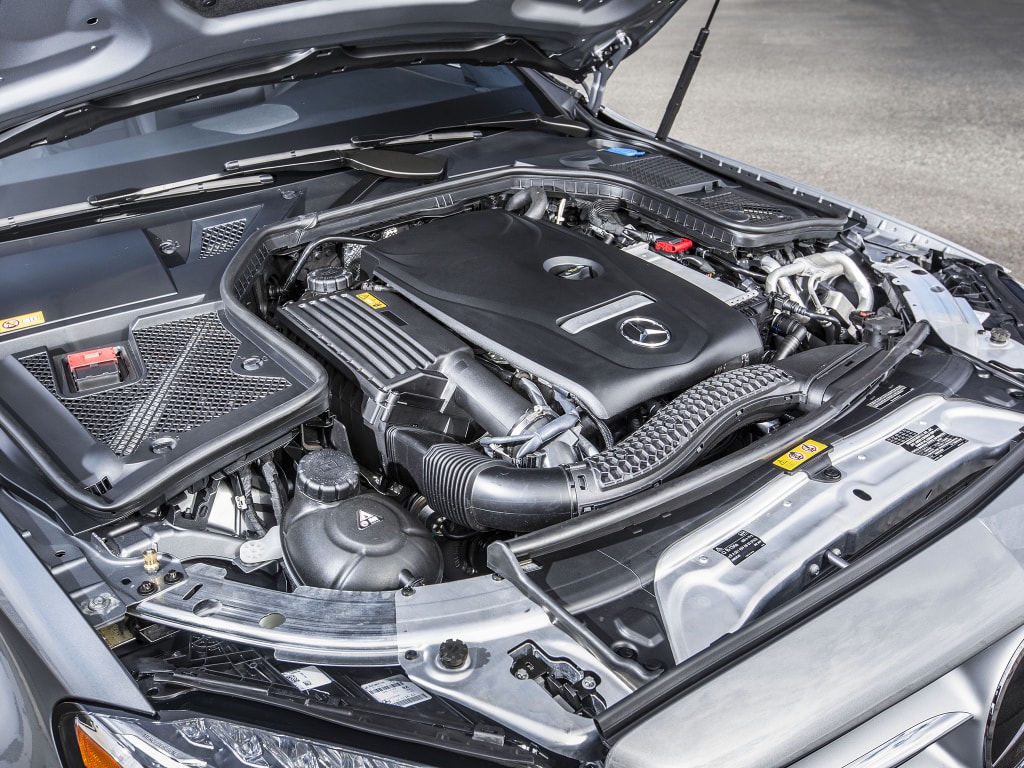
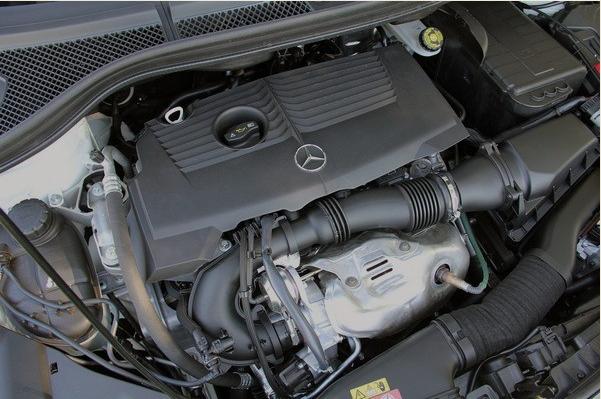
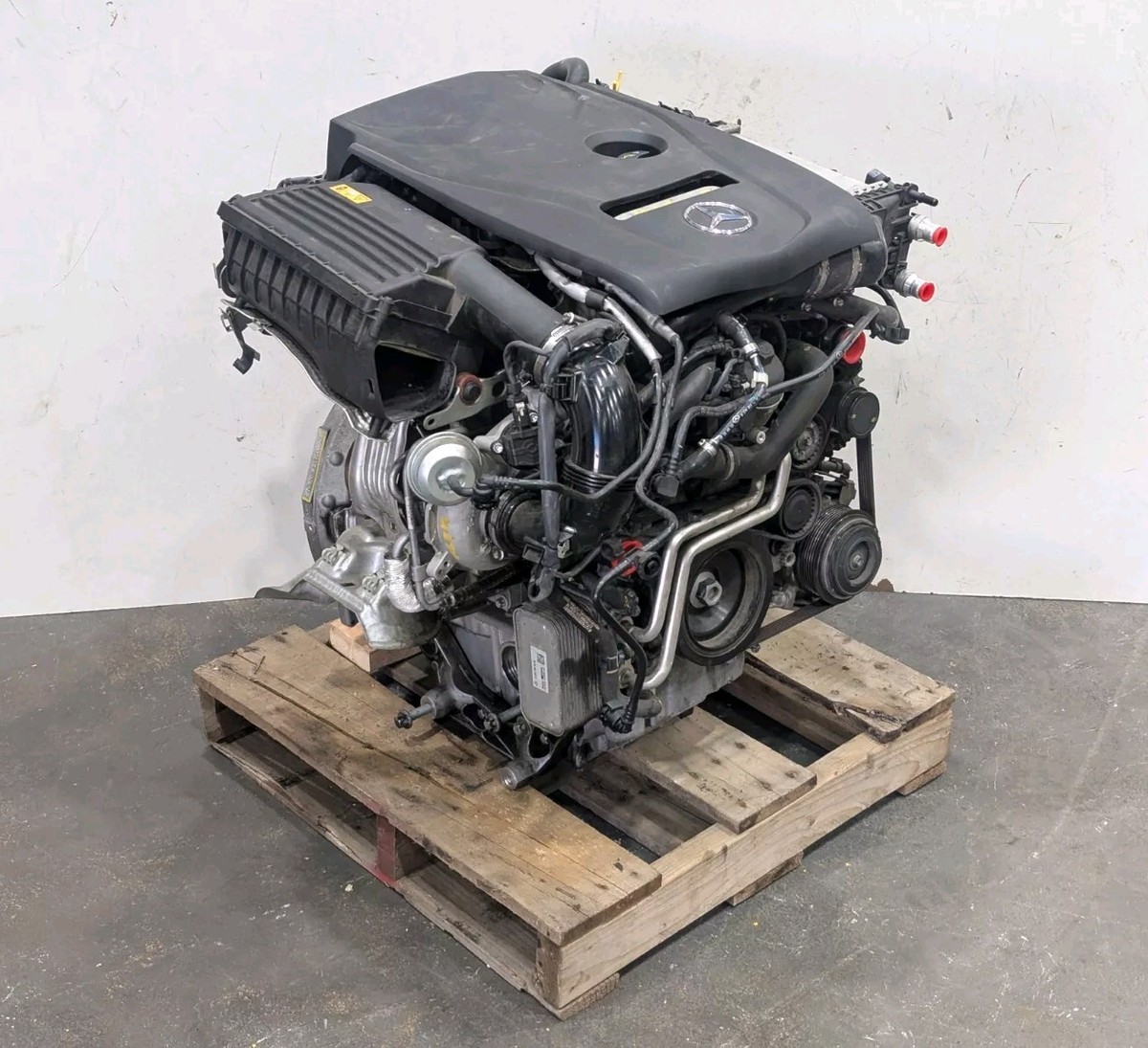
I’ve spent over eight years working hands-on with German luxury vehicles, and if there’s one engine that defines the modern Mercedes era, it’s the M274. This 2.0-liter turbocharged inline-four sits under the hood of the C300, E300, and GLC300. It’s the brand’s backbone—refined, efficient, and everywhere.
But after seeing hundreds of these engines come up on the lift, I can tell you this: German engineering rewards discipline and punishes neglect. If you’re planning to buy one—or already own one—this is the unfiltered truth from the garage floor.
The Architecture: Why the M274 Matters
The M274 replaced the older M271 as part of Mercedes’ shift toward a more modular, efficient engine lineup. It uses direct fuel injection, a twin-scroll turbocharger, and variable valve timing to deliver between 180 and 255 horsepower depending on tuning.
On paper, it’s impressive. The torque comes in early, fuel efficiency is respectable, and in daily driving it feels smooth and effortless. For the first 40,000 miles, most owners experience nothing but confidence.
Where technicians start paying attention is 80,000 miles and beyond. That’s when design compromises—especially heavy reliance on plastics and complex actuators—begin to show their age.
The “Big Three” Faults Every Owner Should Know
1. Camshaft Adjuster & Timing Chain Fatigue
This is the issue most commonly associated with the M274. Owners describe a harsh metallic rattle lasting two or three seconds right after a cold start.
The technician’s view:
The camshaft adjusters control variable valve timing. Over time, the internal locking pins wear out. Once that happens, oil pressure can’t hold the cam in position during startup. Ignore the noise long enough, and the timing chain begins to stretch—or worse, the engine jumps time.
Why it matters:
This isn’t cosmetic. Left unattended, it can lead to bent valves and catastrophic engine failure. Catch it early, and it’s a controlled repair. Ignore it, and the engine is effectively done.
2. The Piston Cracking Phenomenon (Early Models)
Some early M274 engines—mainly 2015–2016—suffered from piston failures, often referred to as “Cylinder 1 failure.”
The technician’s view:
This is usually linked to low-speed pre-ignition (LSPI) or wrist-pin weaknesses. It often starts quietly: a faint knock under load or subtle misfires. During pre-purchase inspections, we always use a borescope to look for cylinder scoring or abnormal carbon patterns.
Buying advice:
If you’re shopping used, target 2017 and newer models. Mercedes revised both piston design and engine software, and failure rates dropped significantly.
3. The Plastic Cooling System Reality
The M274’s thermostat housing and water pump are largely plastic—and that’s where age becomes the enemy.
The technician’s view:
These components rarely fail dramatically. Instead, they seep. You may smell coolant after a drive without seeing a drop on the ground. By the time the warning light appears, the plastic is usually brittle enough to crack during removal.
Smart strategy:
If the intake manifold is coming off, replace the thermostat, water pump, and PCV valve together. Labor is the expensive part; parts are preventative insurance.
The Technician’s Maintenance Cheat Sheet
If you want this engine to last, you cannot follow the marketing brochure.
Oil changes: Every 5,000–6,000 miles, no exceptions. Direct-injection engines produce soot that accelerates timing chain wear.
Spark plugs: Replace every 40,000 miles. Worn plugs stress ignition coils and trigger misfires.
Transmission service: Whether it’s the 7G-Tronic or 9G-Tronic, fluid and filter changes every 60,000 miles keep shifts smooth and expensive repairs away.
Oil is cheap. Engines are not.
The Verdict: Buy or Pass?
From a technician’s perspective, the M274 is a good engine—when maintained correctly. It’s well laid out, relatively accessible, and far less problematic than many modern V6 alternatives.
A well-documented M274 with frequent oil changes and no cold-start rattle? Buy it with confidence.
A “great deal” with missing service history and unexplained noises? Walk away.
In the world of German luxury, there is nothing more expensive than a cheap Mercedes-Benz.



No comments:
Post a Comment